
What is bulimia nervosa?
Bulimia nervosa is a serious mental illness characterised by recurrent binge-eating episodes (the consumption of large amounts of food in a short period of time), followed by self-induced vomiting, fasting, over-exercising and/or the misuse of laxatives, enemas or diuretics.
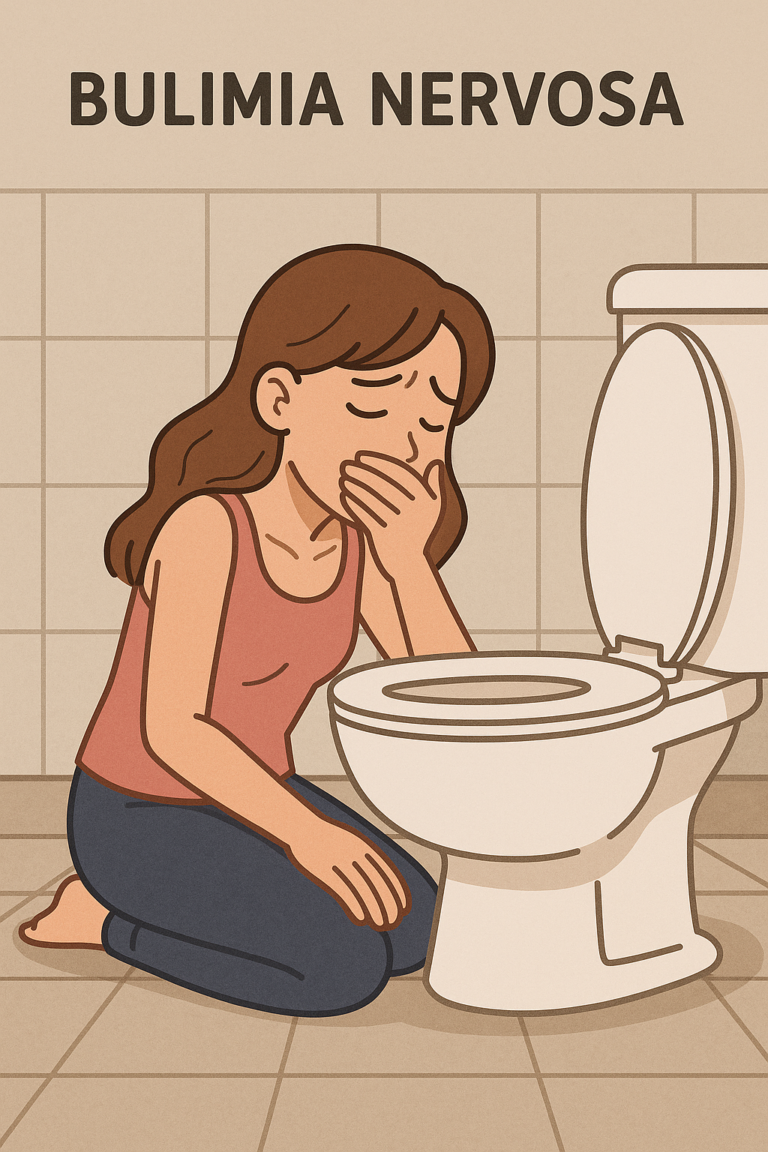
Bulimia nervosa differs from binge eating disorder (BED). While binge episodes in both illnesses are associated with a sense of loss of control and are followed by feelings of guilt and shame, a person experiencing bulimia nervosa will engage in compensatory behaviours such a vomiting or exercise. When identifying bulimia nervosa, it’s important to remember that:
- Bulimia nervosa occurs in people of all genders
- Bulimia nervosa impacts people of all body shapes and sizes
- Bulimia nervosa is serious and requires medical and psychological intervention
Risk factors for bulimia nervosa
There is no single cause of bulimia nervosa, but there are risk factors that increase the likelihood of it developing. These can be biological, psychological and social.
Biological risk factors
Bulimia can develop at any age or stage of life for people of any gender, including males.
Evidence tells us that bulimia nervosa has a moderate-high genetic heritability. Ongoing research into this field is analysing hundreds of genes that may influence the chance of developing an eating disorder with the hope of improving treatment and even preventing illness.
Psychological risk factors
Some psychological risks for bulimia nervosa encompass feelings of inadequacy, personality traits of perfectionism and anxiety, heightened sensitivity or inability to cope with negative evaluations, low self-esteem, and impulsive or obsessive behaviours.
Social risk factors
The cultural emphasis on ‘thinness’ or smaller bodies as a moral and health imperative, along with the normalisation of intentional dieting for the ‘thin ideal,’ contributes to the valuation of individuals based on outward appearance and can be an influencing factor in the development of eating disorders.
Bulimia nervosa often starts with weight-loss dieting. The resulting food deprivation and inadequate nutrition can trigger what is, in effect, a starvation reaction — an overriding urge to eat. For some, the desire to eat is uncontrollable, leading to a substantial binge on whatever food is available, followed by compensatory behaviours. A repeat of this behaviour often follows, leading to a binge/purge/exercise cycle, which can become more compulsive over time.
Signs and symptoms of anorexia nervosa
Some of the more common signs and symptoms of bulimia nervosa are listed below. Remember, bulimia nervosa is a mental illness. You can’t tell if someone has an eating disorder based on physical appearance alone.
Mental health symptoms
- Fear of the disapproval of others if the illness becomes known
- Mood swings, changes in personality, emotional outbursts or depression
- Self-harm, substance abuse or suicide attempts
- Sensitivity to references about weight or appearance
- Guilt, self-disgust, self-loathing
- Anxiety
- Depression
Behavioural symptoms
- Food avoidance, dieting behaviour (this may be due to a fear of gaining weight and it may also be to avoid the unpleasant ritual of purging afterwards)
- Frequent trips to the bathroom, especially after eating
- Excessive exercise, such as exercise that interferes with other life commitments
- Changes in food preferences
- Repetitive or obsessive body-checking behaviours
- Deceptive or secretive behaviour around food
Social symptoms
- Difficulties with activities that involve food
- Loneliness due to self-imposed isolation and a reluctance to develop personal relationships